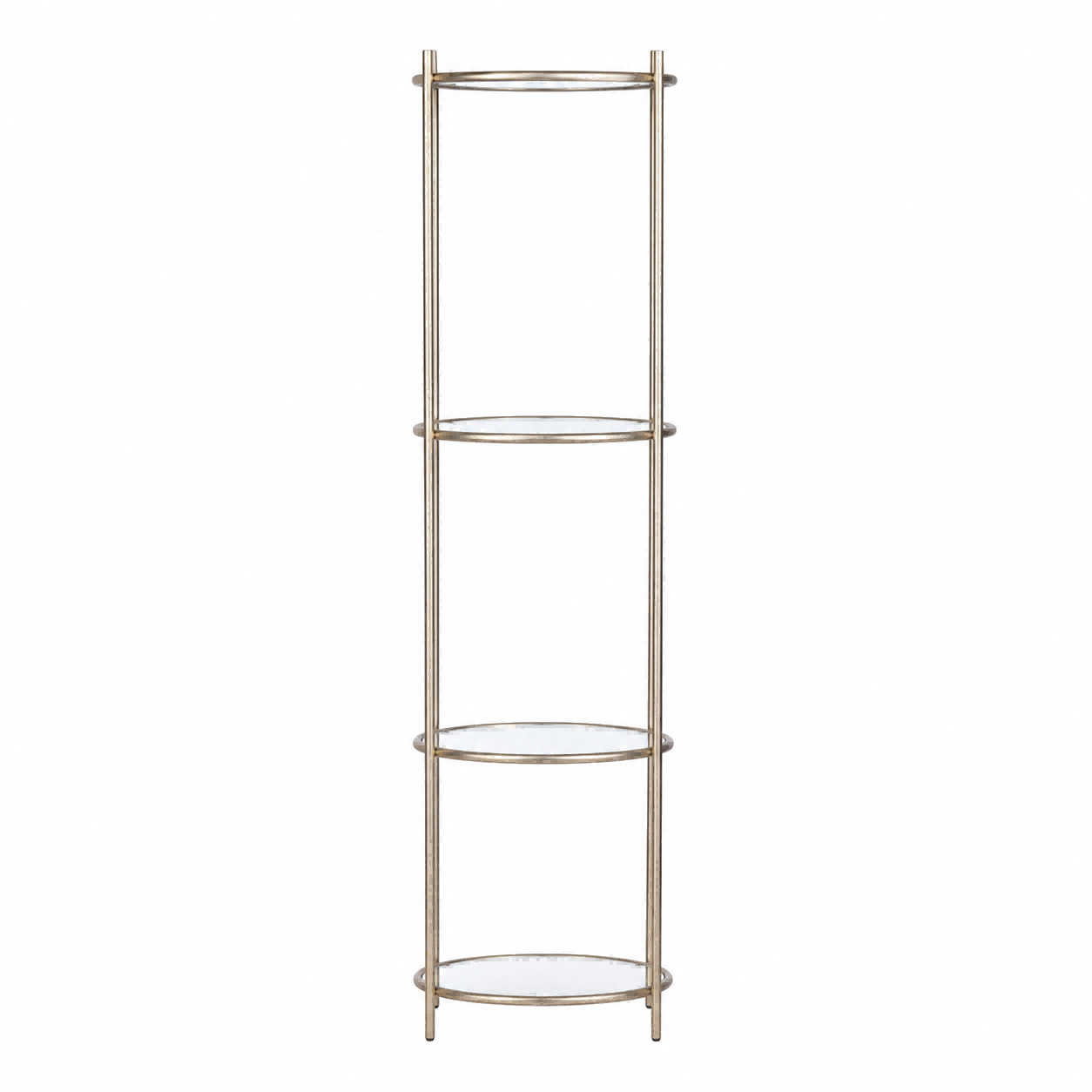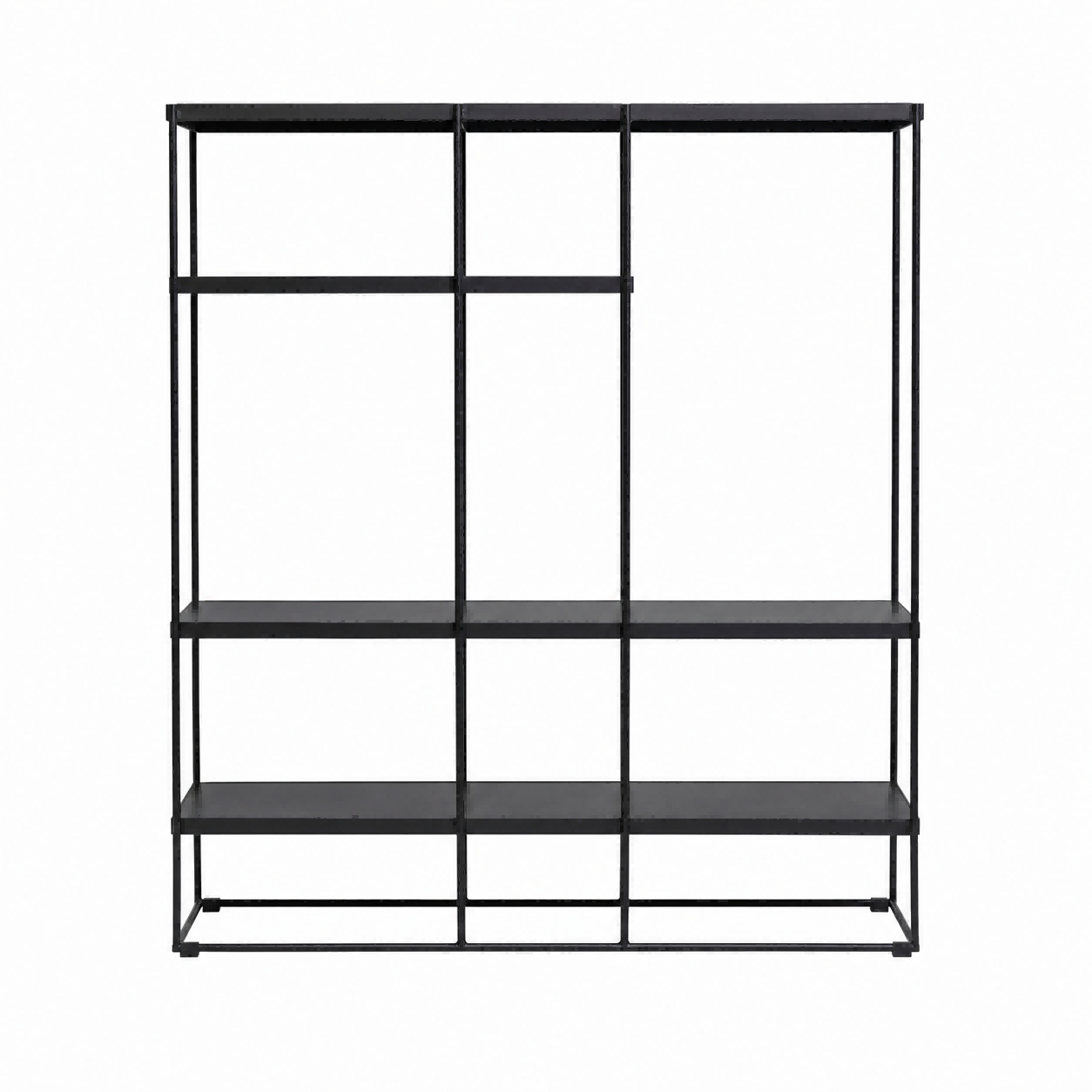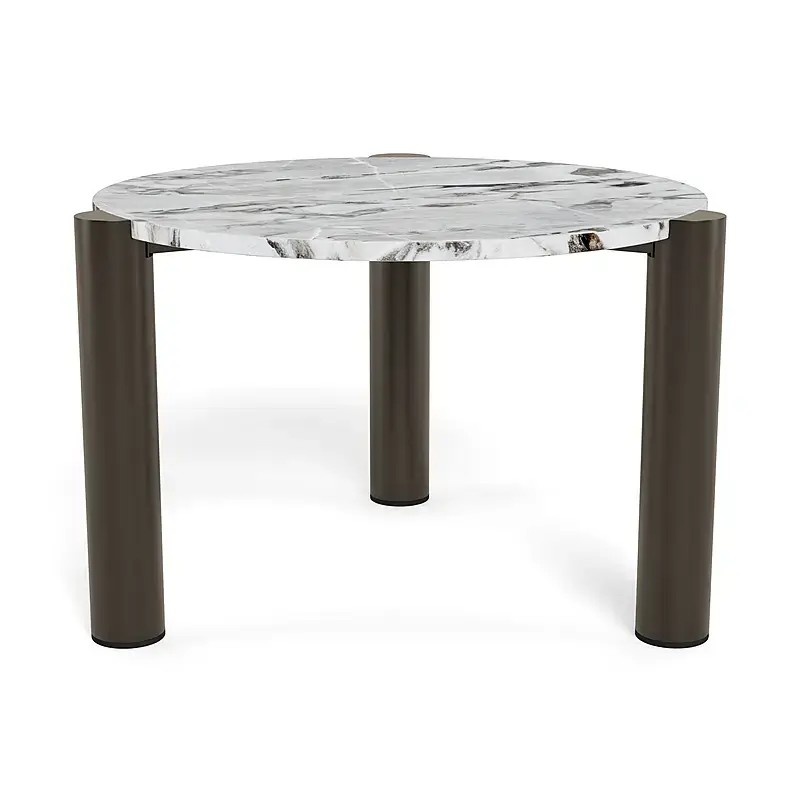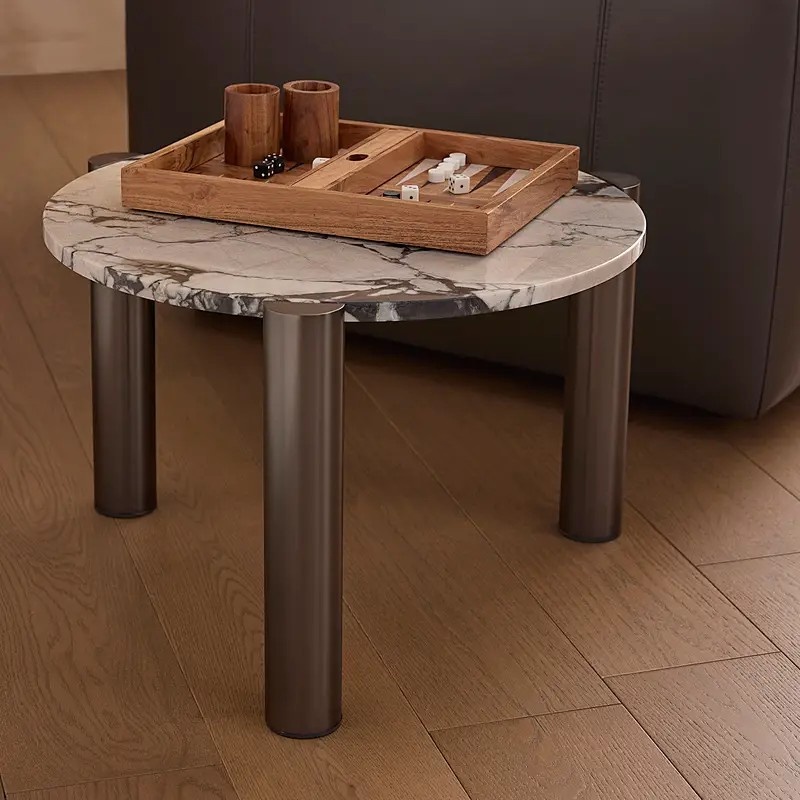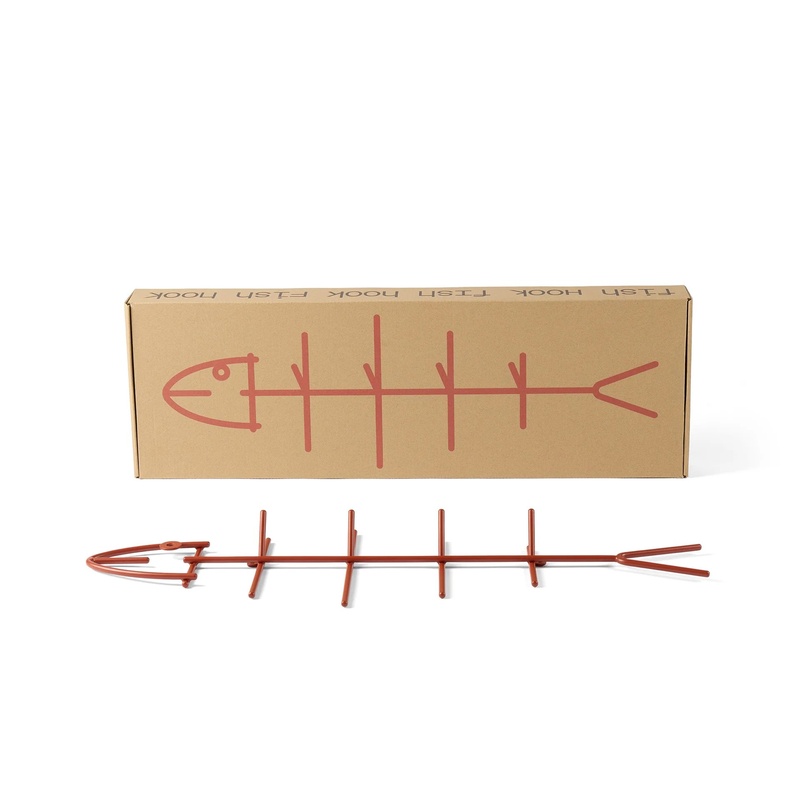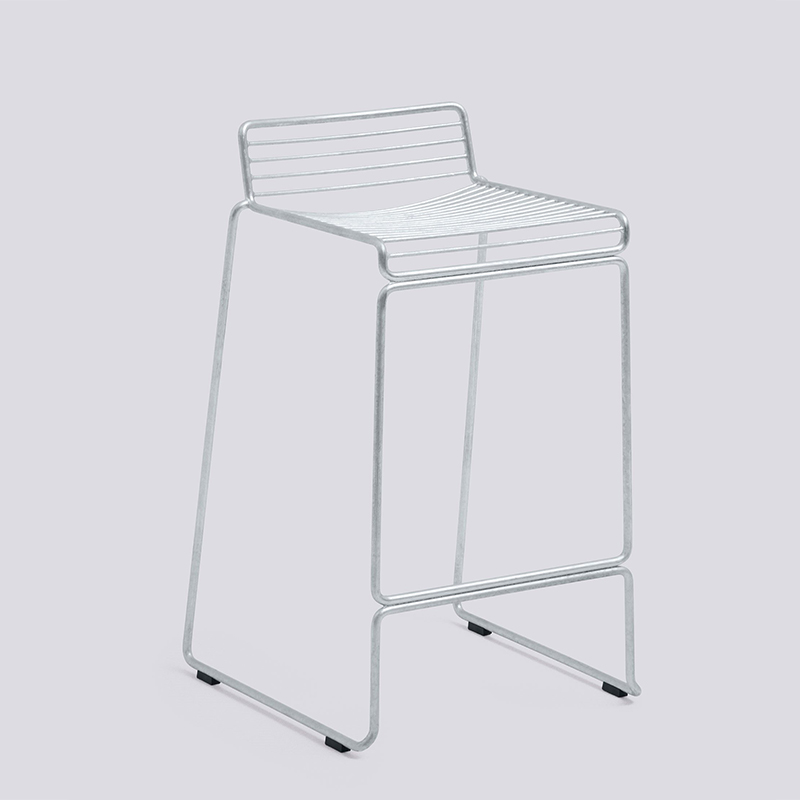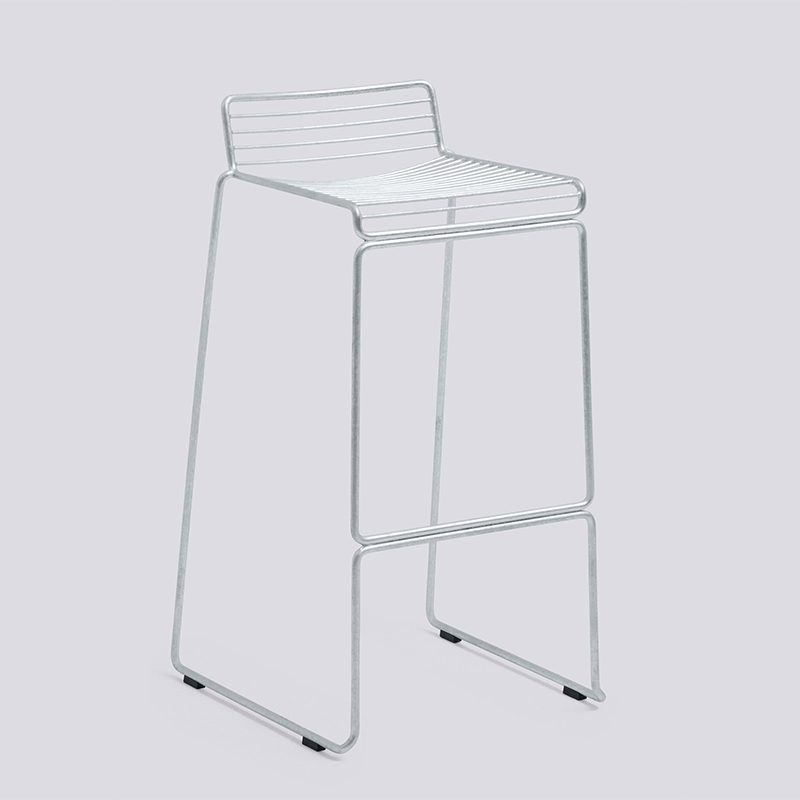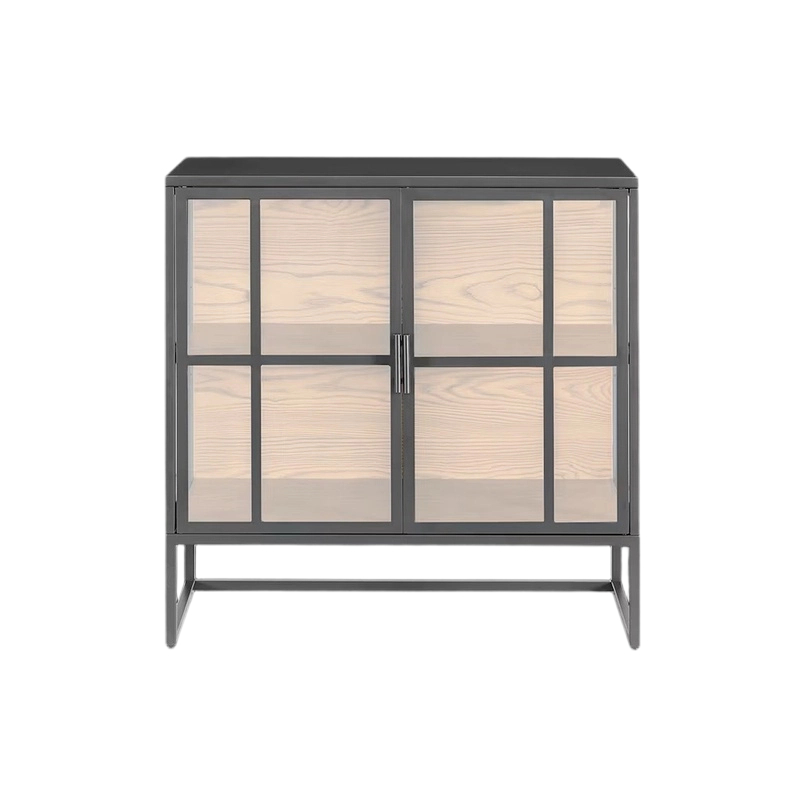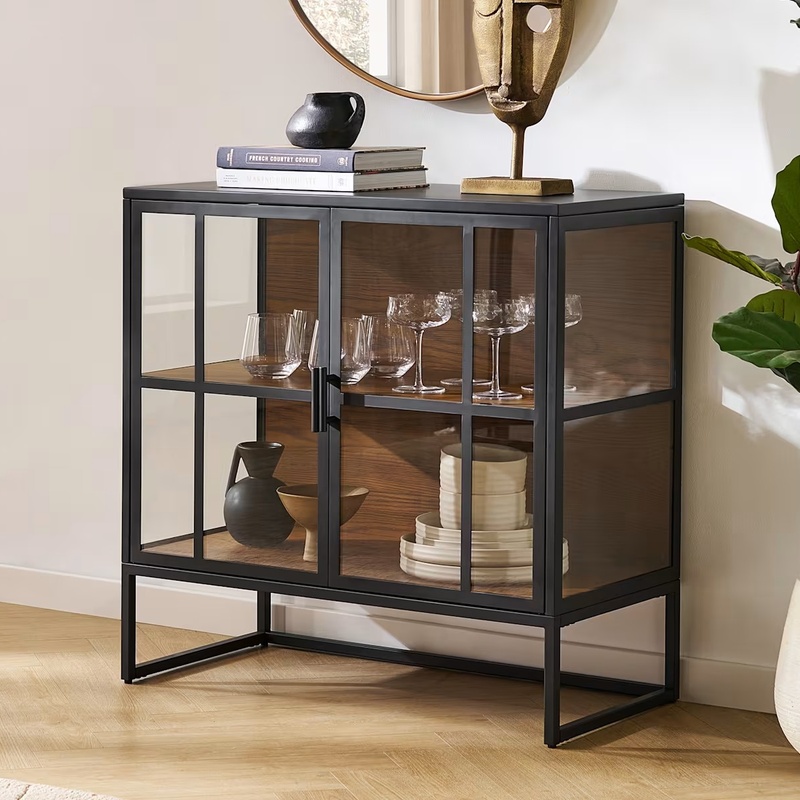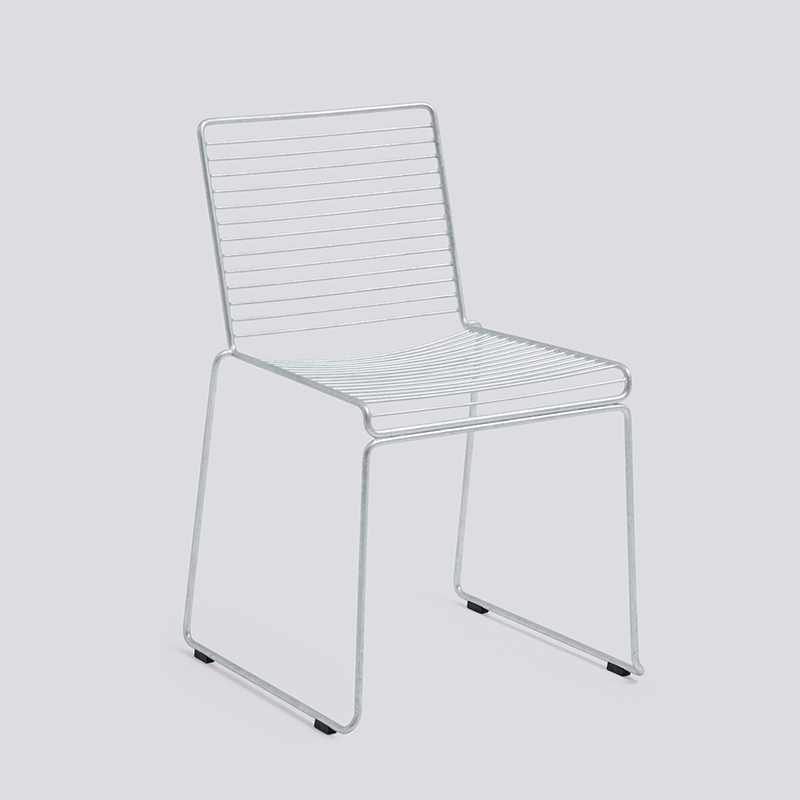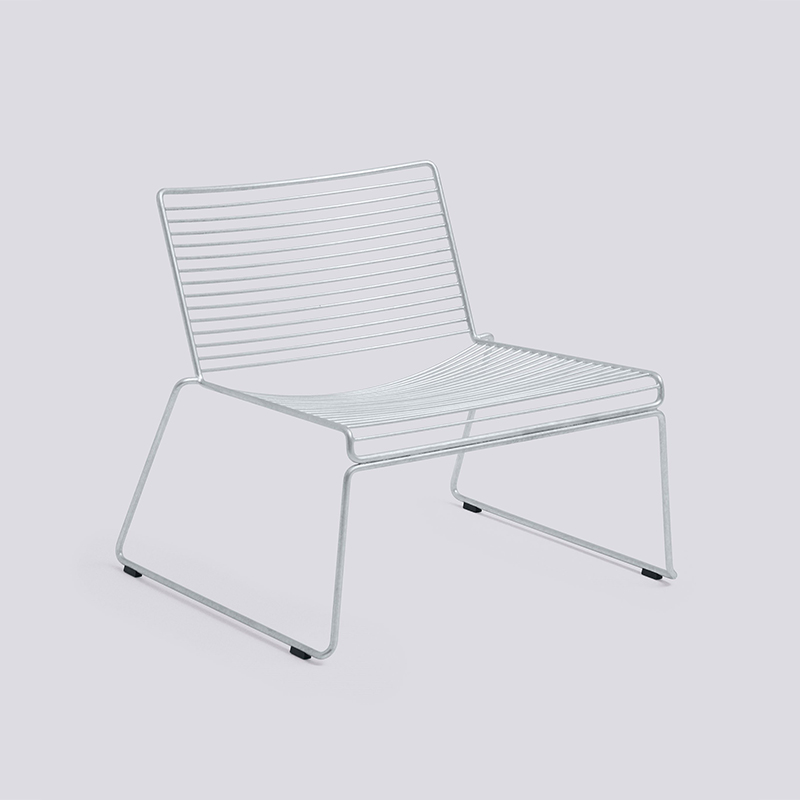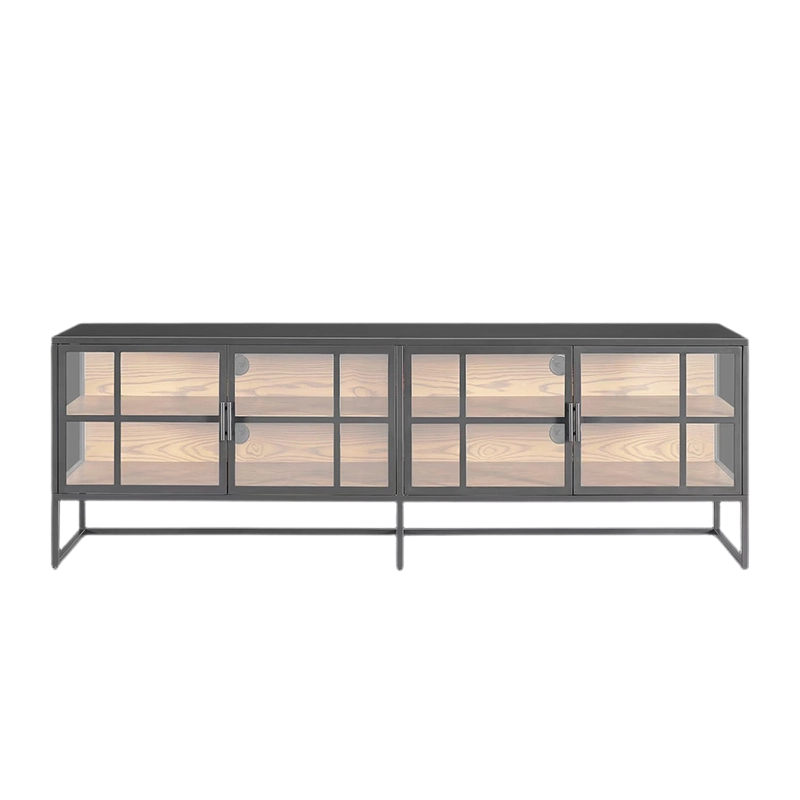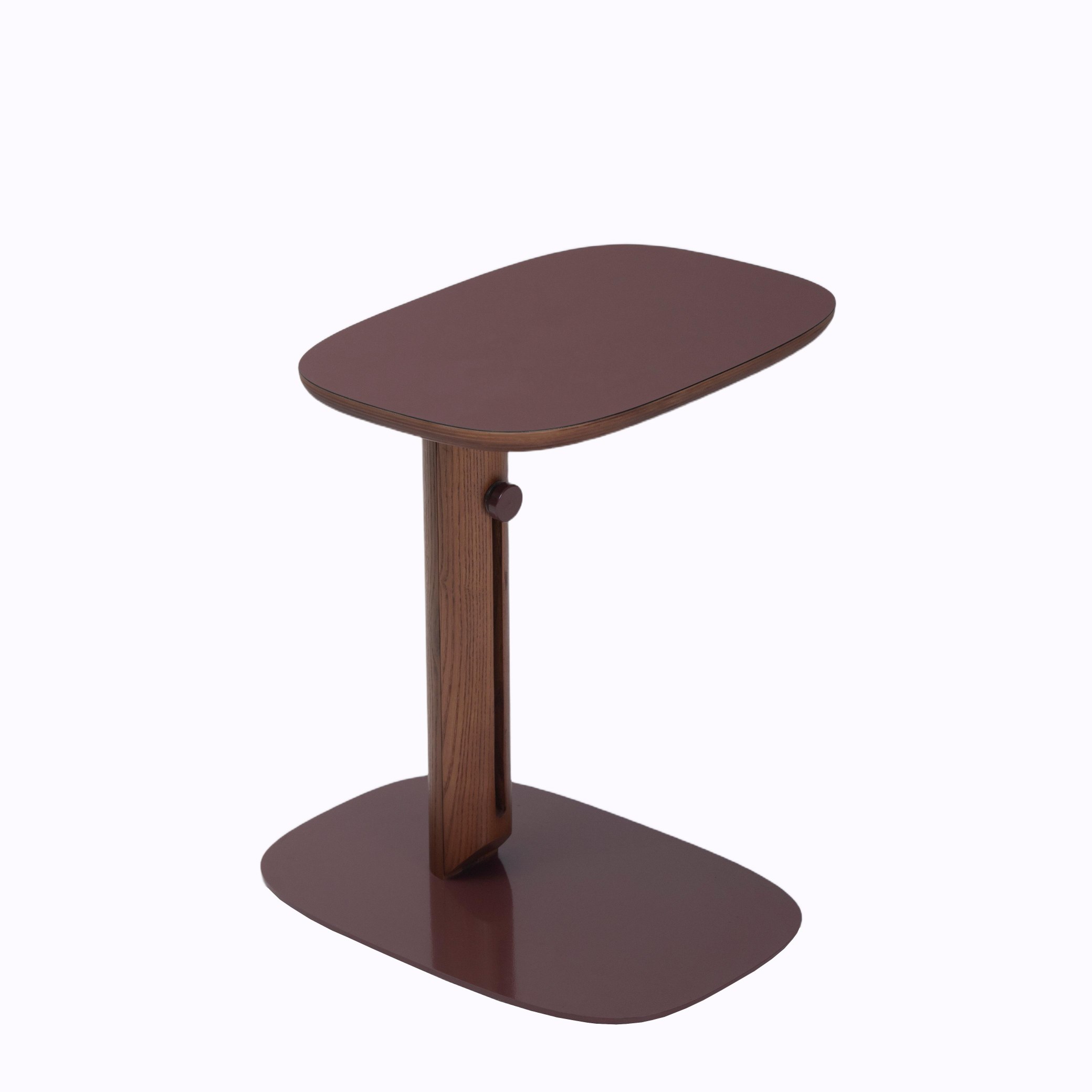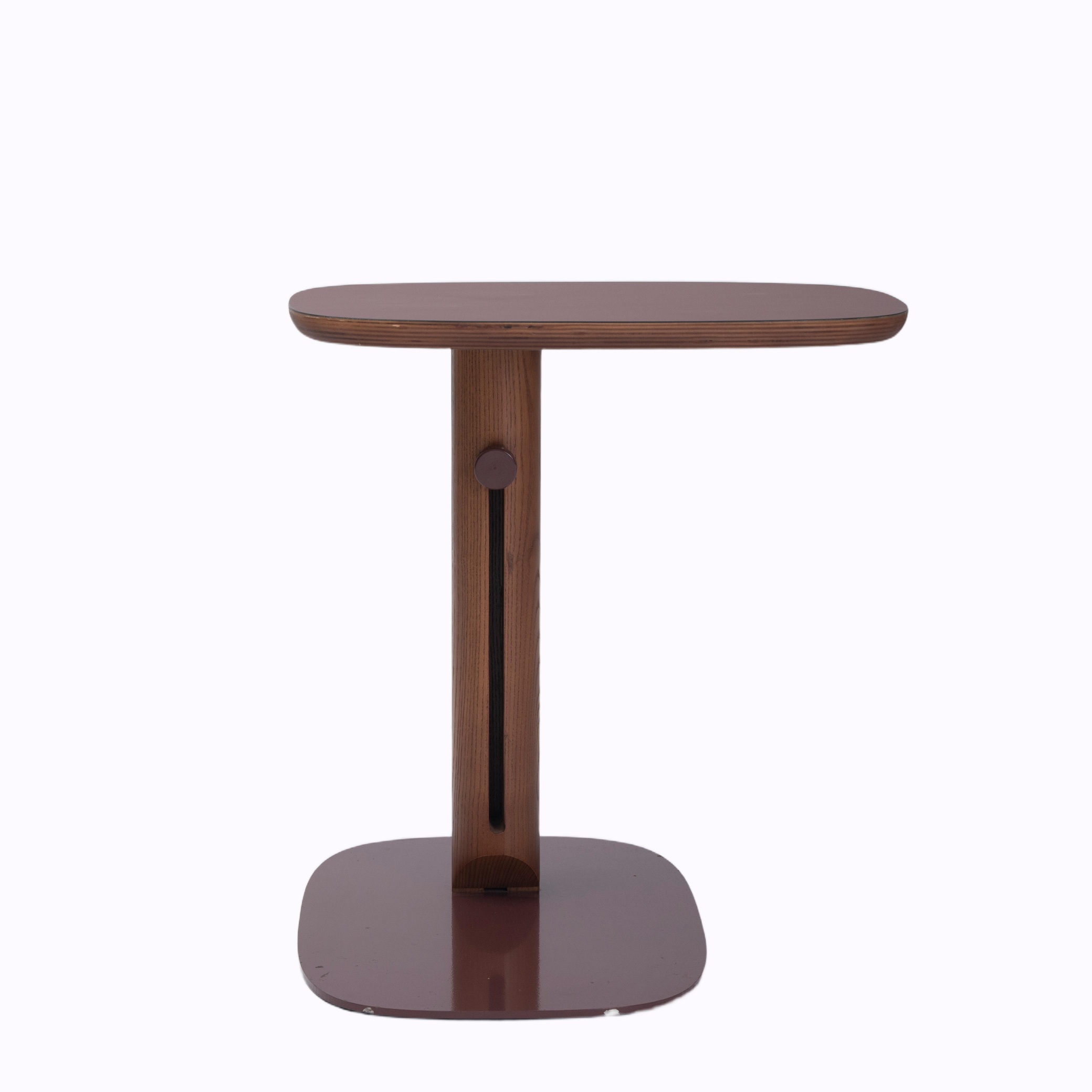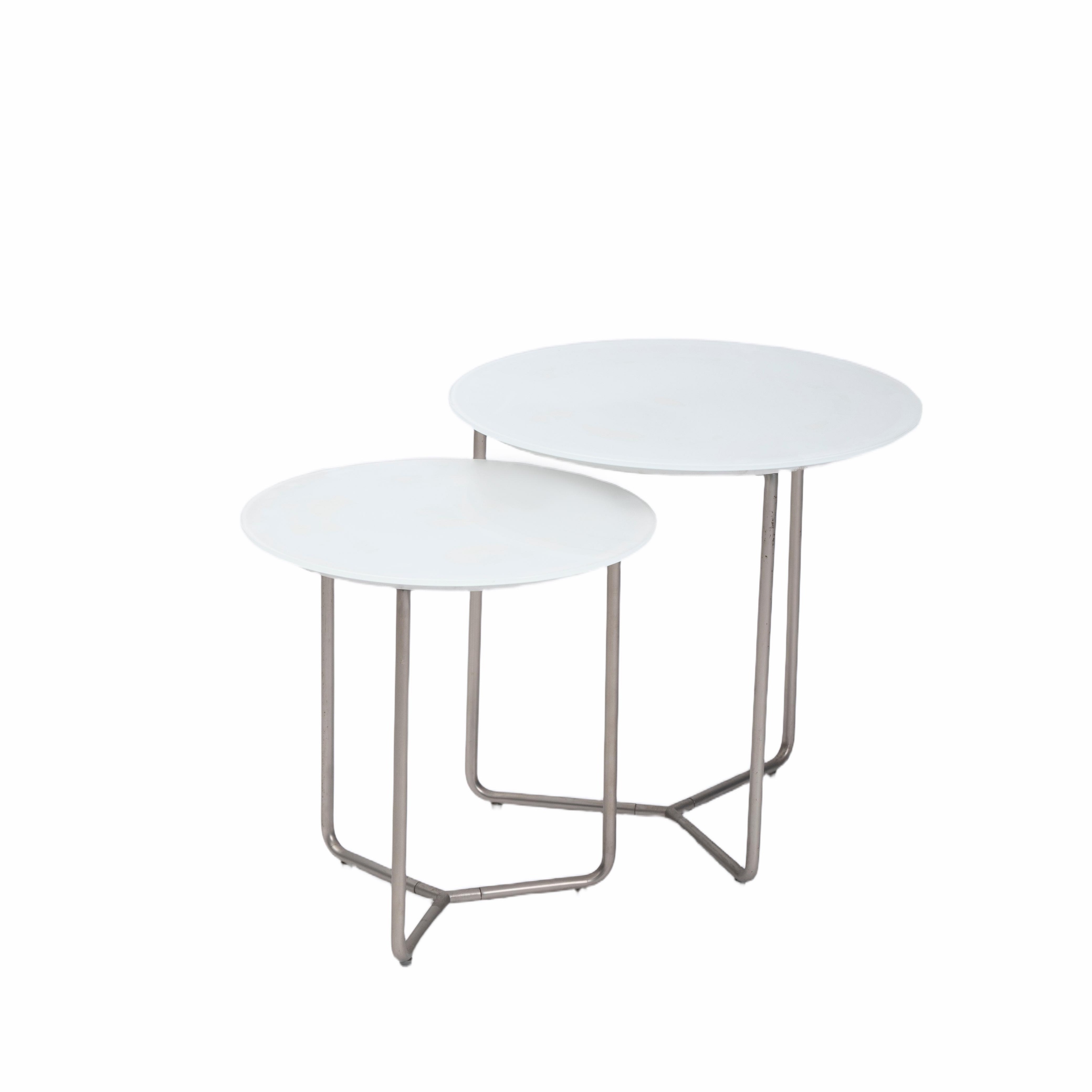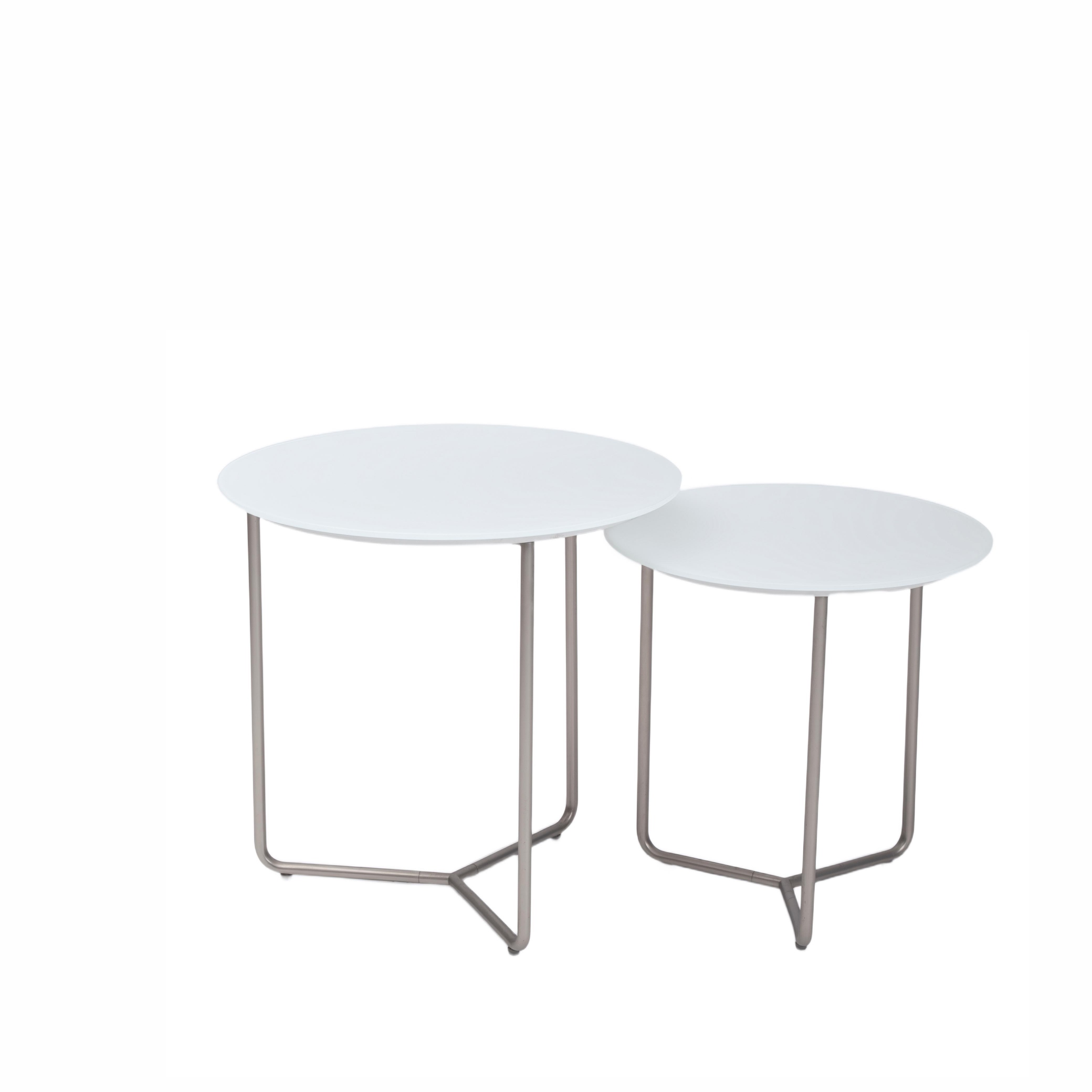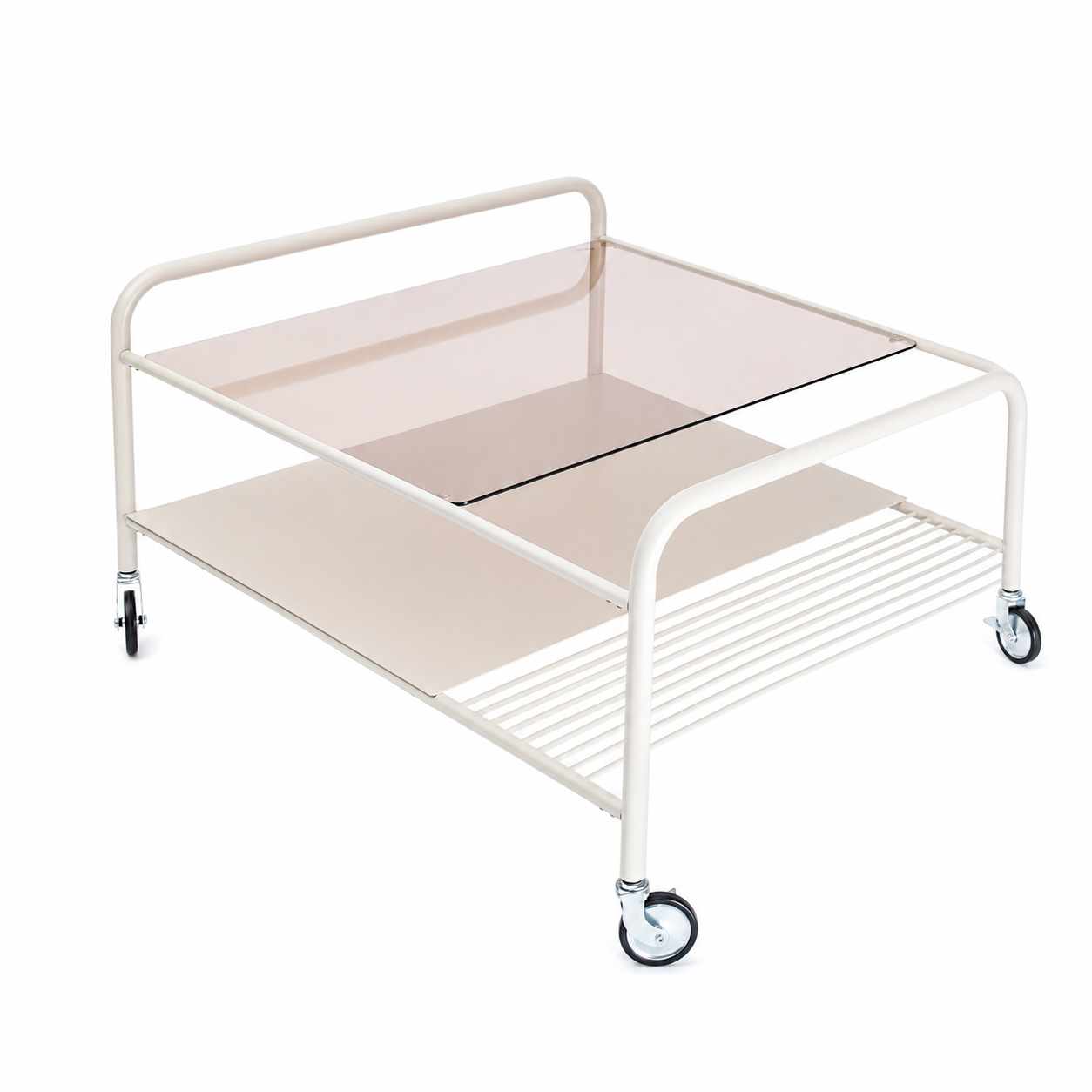
Before placing a bulk order, evaluate a Metal Furniture Manufacturer by checking its production capability, inspecting a representative sample, verifying quality records, and agreeing on written acceptance criteria. Buyers sourcing commercial metal furniture should also assess steel furniture fabrication, powder coating, and weld inspection—not rely on a polished catalogue or a low quote. This metal furniture manufacturer quality checklist helps you compare suppliers, identify risks before production, and decide whether a pilot order is appropriate.
A low unit price can become costly if dimensions vary, finishes arrive damaged, or delivery slips past your installation date. The process below shows what to prepare, what to ask, and what evidence to keep when assessing a bulk order metal furniture supplier.

Define your requirements before requesting quotations. If suppliers receive different specifications, their prices and lead times will not be directly comparable.
- Product specification: Drawings or dimensioned sketches, material grades where known, thickness requirements, finish, color reference, hardware, load requirements, assembly details, and packaging needs.
- Order plan: Quantities by model and finish, target ship date, delivery destination, and whether the order will be released in one shipment or several.
- Compliance requirements: Destination-market rules, required test reports, chemical or material restrictions, labeling, and documentation. Confirm applicability for the product and market rather than assuming one certificate covers everything.
- Inspection resources: A calibrated measuring tool, camera, sample approval form, and—if the order warrants it—a third-party inspection provider.
- Commercial documents: Request for quotation, purchase-order terms, payment schedule, change-control process, warranty terms, and written defect-resolution procedure.
Useful standards to discuss with the supplier include ISO 9001 for quality-management systems, ISO 2859-1 for attribute-sampling procedures, ISO 9227 for corrosion testing, and ISO 5817 for quality levels for imperfections in fusion-welded joints. A standard is not automatically a product guarantee: agree on the applicable test method, scope, acceptance limits, and report format in writing.
What to Prepare Before Evaluating a Metal Furniture Manufacturer
Step-by-Step Metal Furniture Manufacturer Evaluation
Tools: Your product specification, a comparison spreadsheet, and the supplier’s written quotation.
Action: Send the same drawing, quantities, finish requirements, packaging instructions, and delivery terms to each candidate. Ask each metal furniture manufacturer to identify exclusions and assumptions rather than filling gaps with informal estimates.
Parameters: Compare the quoted material and thickness, process and finish, included hardware, packaging, tooling charges, minimum order quantities, production lead time, shipping terms, and quote validity. Record each item as included, excluded, or unconfirmed.
Check: Confirm that each quotation refers to the same drawing revision and product configuration. Ask whether the price includes samples, inspection, protective packaging, and any required reports.
If something fails: If a quote is unusually low or vague, request a revised line-item quotation. Do not treat an unspecified material grade or finish as equivalent to your requirement.
1. Compare Metal Furniture Manufacturer Quotations on the Same Specification
Tools: Business-registration records, facility information, customer references, and a video call or site-audit checklist.
Action: Confirm the legal entity that will receive payment and manufacture the goods. Ask which processes are done in-house and which are subcontracted, including cutting, bending, welding, surface preparation, coating, and packing.
Parameters: Request evidence relevant to your product category, such as production photographs, process records, equipment lists, and references for comparable products. Treat certificates as claims to verify: check the issuer, validity, company name, and covered site or scope.
Check: Make sure the sales contact, contracting entity, factory address, and beneficiary details are consistent or that any differences are explained and documented.
If something fails: Pause payment or tooling commitments if the manufacturer will not identify the production site, disclose important subcontracting, or provide verifiable business details.
2. Verify the Metal Furniture Manufacturer’s Identity and Relevant Experience
Tools: Approved drawings, calipers or a tape measure, a square, a camera, and a sample-inspection sheet.
Action: Request a production-representative sample made with the intended materials, joining method, finish, hardware, and packaging. Mark the sample as approved, rejected, or approved with listed changes.
Parameters: Measure critical dimensions against the drawing and inspect fit, stability, edges, weld appearance, coating coverage, color, hardware operation, and assembly. Set tolerances and visual acceptance criteria on the drawing or inspection form; do not rely on phrases such as “good quality.”
Check: Photograph each issue with a scale or clear reference, assign it a location or part number, and record the drawing revision. Keep an approved reference sample or controlled photographs where practical.
If something fails: Return a marked-up report and request a corrected sample. Do not approve a sample with unresolved deviations, and do not assume a visually similar replacement material is acceptable.
3. Inspect a Metal Furniture Manufacturer’s Sample Before Approval
4. Assess Steel Furniture Fabrication and Welding Controls
Tools: Product drawings, weld details, the supplier’s process-control records, and—where appropriate—a qualified welding inspector.
Action: Ask how the manufacturer controls joint preparation, fit-up, welding sequence, operator qualification, and rework. Review a sample of production records and confirm that the actual process matches the approved sample and drawing.
Parameters: Identify which joints are critical to strength, stability, or safety. Specify the inspection method and acceptance criteria for those joints. ISO 5817 may be relevant to imperfections in fusion-welded joints, but the appropriate quality level and applicability must be agreed for the product and design.
Check: Look for incomplete or inconsistent welds, cracks, sharp projections, distortion, and unapproved repairs. Visual appearance alone does not establish structural capacity.
If something fails: Ask for a documented corrective-action plan and reinspection. For load-bearing or safety-critical furniture, obtain competent engineering review rather than accepting an informal assurance from the sales team.
5. Verify Powder Coating and Corrosion-Protection Requirements
Tools: Approved finish sample, color reference, coating specification, and access to the agreed inspection or test equipment.
Action: Ask the supplier to describe surface preparation, coating application, curing controls, and how coated parts are protected during handling and packing. Specify the required finish and test methods in the purchase documents.
Parameters: Define color reference, gloss or texture where relevant, coverage zones, allowable cosmetic defects, and any required coating-thickness or corrosion test criteria. ISO 9227 describes salt-spray corrosion testing; it does not, by itself, establish how long a product will last in service. Agree on the test conditions and acceptance limits with the supplier and, when necessary, a qualified laboratory.
Check: Inspect edges, corners, recesses, weld areas, and contact points for thin coverage, contamination, damage, or visible inconsistency. Confirm that test reports identify the tested sample and method.
If something fails: Quarantine affected parts and request a documented cause and corrective action. Do not accept a salt-spray result as a substitute for a clearly defined finish specification or real-world suitability assessment.
6. Review the Metal Furniture Manufacturer’s Quality and Traceability System
Tools: Quality manual or process summary, inspection records, material certificates where required, and a lot-traceability checklist.
Action: Ask how incoming materials, in-process work, finished goods, nonconforming items, and changes to approved specifications are controlled. Request example records with confidential information removed if needed.
Parameters: Define which documents must identify the order, product model, drawing revision, material or production lot, inspection result, and disposition of rejected parts. If attribute sampling is used, agree on the inspection level and acceptance criteria; ISO 2859-1 provides sampling procedures, but it does not choose your product’s defect limits for you.
Check: Trace a finished item or sample record backward through the relevant production and inspection steps. Verify that failed items are identified and prevented from being mixed with accepted goods.
If something fails: Require a corrective-action response with containment, cause analysis, corrective measures, and verification. If records cannot connect the goods to the approved specification, consider an independent inspection or a smaller controlled order.
7. Confirm Capacity, Lead Time, Packaging, and Shipping Handoffs
Tools: Production schedule, order forecast, packaging specification, and delivery plan.
Action: Ask the supplier to map the order through material purchasing, fabrication, finishing, assembly, inspection, packing, and dispatch. Confirm which activities depend on subcontractors or customer approvals.
Parameters: Record the agreed production milestones, approval deadlines, shipment split, packaging method, delivery term, and the party responsible at each handoff. Ask how the supplier handles a material shortage, rejected inspection, or schedule change.
Check: Compare the schedule with the factory’s stated workload and the time needed for sample approval and transport. Request progress updates tied to observable milestones rather than general assurances.
If something fails: Re-plan the shipment, adjust the release schedule, or choose another supplier before making a commitment that depends on an unsupported delivery promise.
8. Place a Controlled Pilot Order and Set Bulk-Order Acceptance Rules
Tools: Purchase order, approved sample, inspection plan, defect-report form, and payment milestones.
Action: Where cost and timing allow, use a limited pilot order to verify repeatability, packaging, assembly, documentation, and communication before releasing the full quantity. State in the purchase order that production must follow the approved drawing and sample.
Parameters: Write down the inspection stage, sampling method, defect classifications, acceptance limits, rework or replacement process, responsibility for inspection costs, and payment conditions. If you use ISO 2859-1, specify the chosen plan and acceptance criteria rather than simply writing “AQL inspection.”
Check: Compare pilot-order units with the approved sample and verify that packing and shipping documents match the order. Record defects and corrective actions before authorizing the next production release.
If something fails: Hold the next release until the supplier corrects the issue and the correction is verified. Document any approved deviation with a responsible person, date, affected quantity, and scope.
Common Metal Furniture Manufacturer Evaluation Errors and Fixes
- Choosing on unit price alone: Compare the full delivered scope, including tooling, packing, inspection, shipping terms, and likely rework exposure.
- Approving an incomplete sample: Approve only a sample that represents the specified material, finish, hardware, and assembly. Record exceptions instead of relying on memory.
- Using vague quality language: Replace “premium finish” or “strong welds” with measurable dimensions, defined visual criteria, test methods, and documented acceptance limits.
- Assuming a certificate proves every product complies: Check the certificate’s issuer, validity, site, and scope, then identify product-specific requirements separately.
- Confusing a test result with a service-life promise: A laboratory test applies to its stated method and conditions. Do not translate it into a lifespan claim unless qualified evidence supports that conclusion.
- Skipping change control: Require written approval before changing material, thickness, finish, subcontractor, tooling, or production site.
- Paying before key evidence is available: Align payments with clearly documented milestones and contract terms. Have a qualified adviser review high-value or cross-border agreements.
How to Record a Verified Metal Furniture Supplier Case
To create a useful, authentic buyer case rather than an unverified anecdote, document the project with the buyer’s permission. Record the product and market, supplier-selection criteria, inspection method, dates, order scope if disclosure is authorized, observed issue or success, corrective action, and supporting evidence such as inspection reports or approved photographs. Identify whether the account is first-hand, anonymized with consent, or independently documented. Do not publish confidential commercial details or imply that one result guarantees another buyer’s outcome.
Final Checklist for Choosing a Metal Furniture Manufacturer
Before confirming a bulk order, make sure the selected metal furniture manufacturer has a verified business identity, a comparable product record, a production-representative approved sample, written material and finish requirements, suitable welding and coating controls, traceable inspection records, a realistic production plan, and clear defect-resolution terms. Keep the drawing revision, quotation, sample approval, inspection plan, and purchase order consistent.
Notable can be included in your supplier shortlist as one option to assess using the same evidence-based process; verify its capabilities, documentation, and commercial terms directly for your specific product and destination market. The strongest decision is the one supported by comparable quotations, documented checks, and agreed acceptance criteria—not by adjectives or promises.